What to Know Before Making Orinda Home
Moving to Orinda, California offers the opportunity to enjoy a quieter residential setting while remaining connected to Oakland, San Francisco, Walnut Creek, and surrounding East Bay communities.
Set among wooded hills just east of the Caldecott Tunnel, Orinda is known for established neighborhoods, distinctive homes, scenic surroundings, and convenient access to Highway 24 and BART. But relocating here involves more than simply choosing a home. Properties can differ significantly in age, condition, topography, accessibility, and lot characteristics, making it important to understand both the community and the individual property before making a move.
If you're considering moving to Orinda, here's what to know as you begin your search.
Where Is Orinda, California?
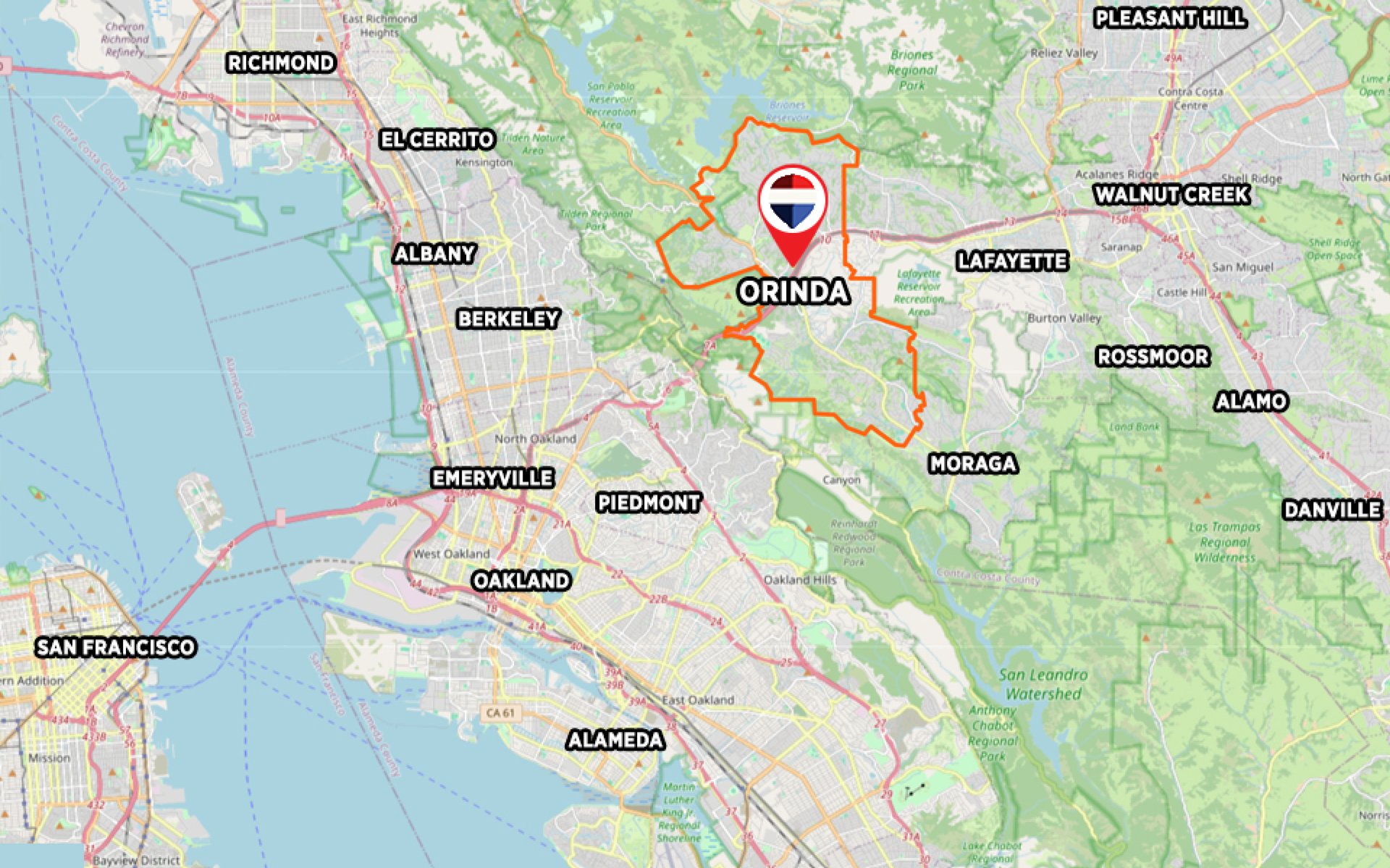
Orinda is located in Contra Costa County along Highway 24, immediately east of the Oakland and Berkeley hills.
Its location puts residents within convenient reach of Lafayette and Walnut Creek to the east and Oakland and Berkeley to the west.
One of Orinda's most notable transportation advantages is its own BART station. Orinda Station is located on Camino Pablo and is served by the Antioch–SFO/Millbrae line, with connections available throughout the broader BART system. (Bay Area Rapid Transit)
For buyers balancing a quieter residential environment with access to employment centers elsewhere in the Bay Area, location can be an important part of Orinda's appeal.
What Is It Like to Live in Orinda?
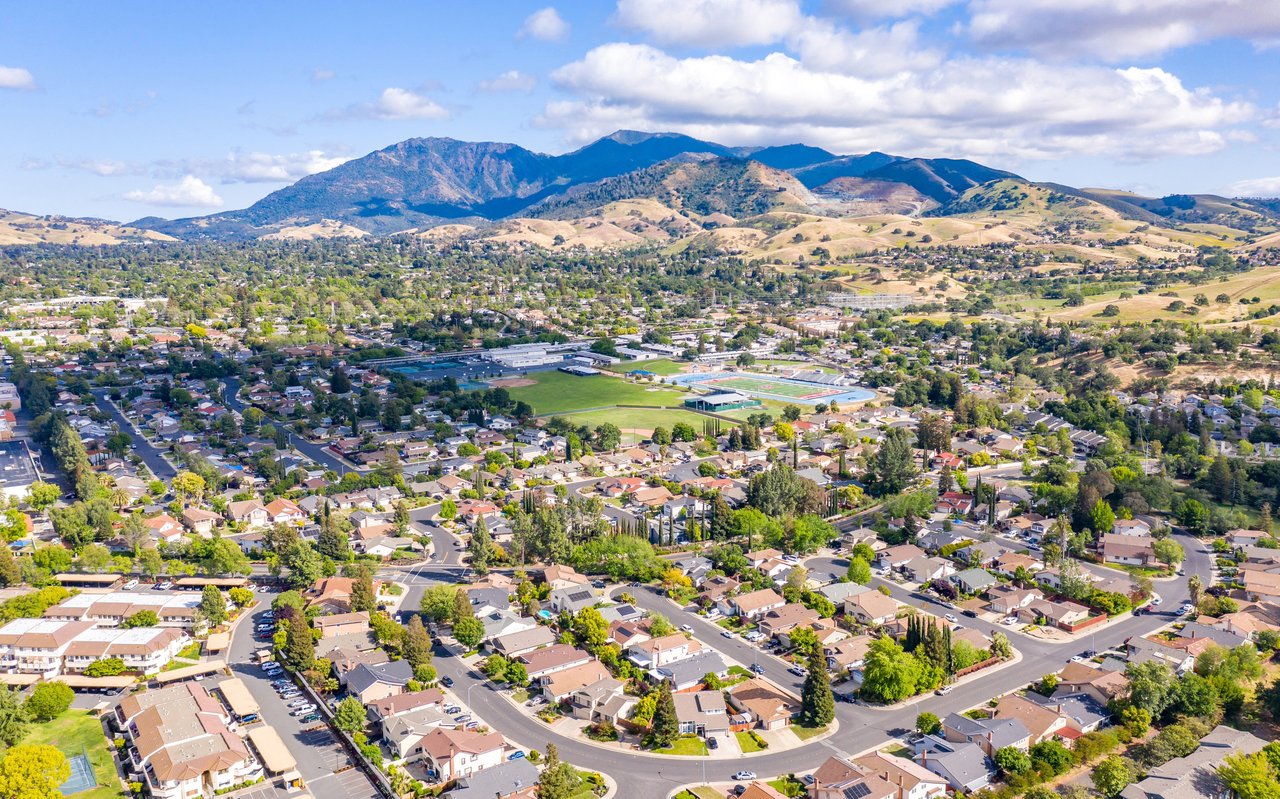
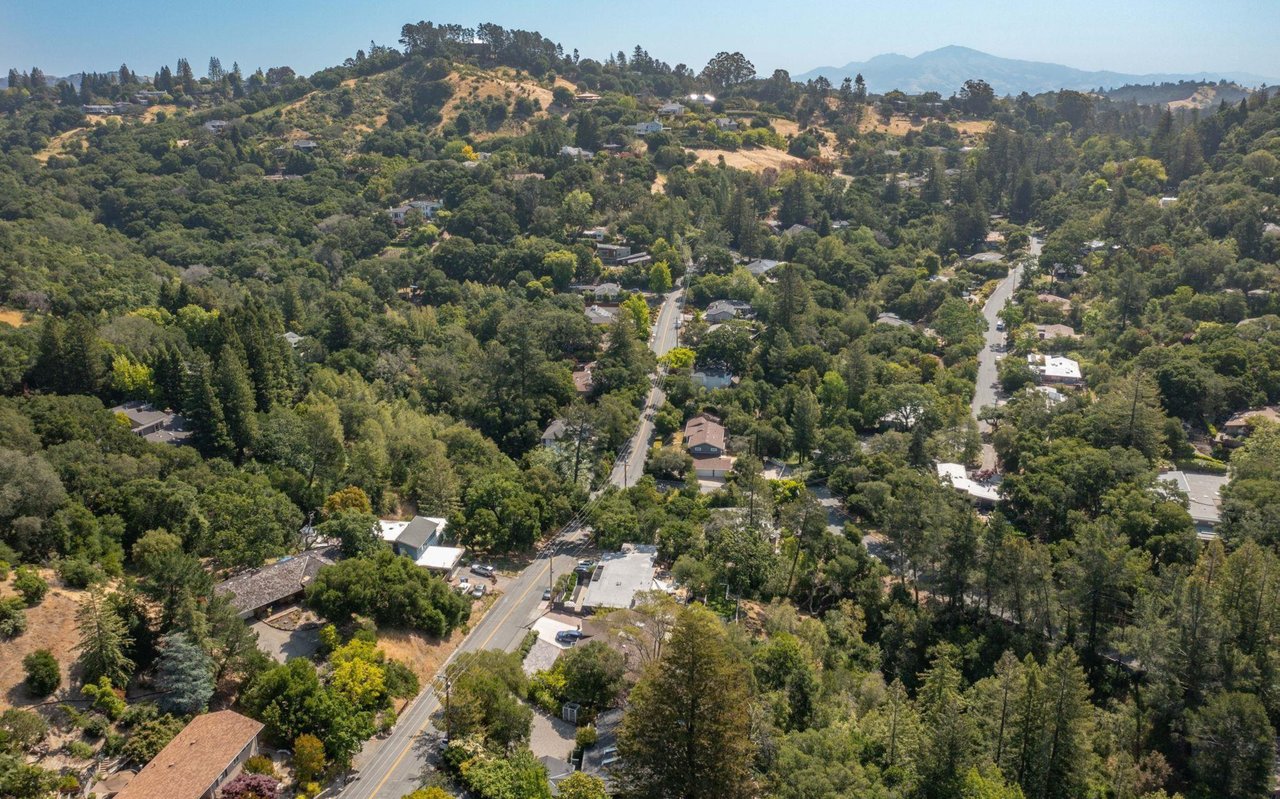
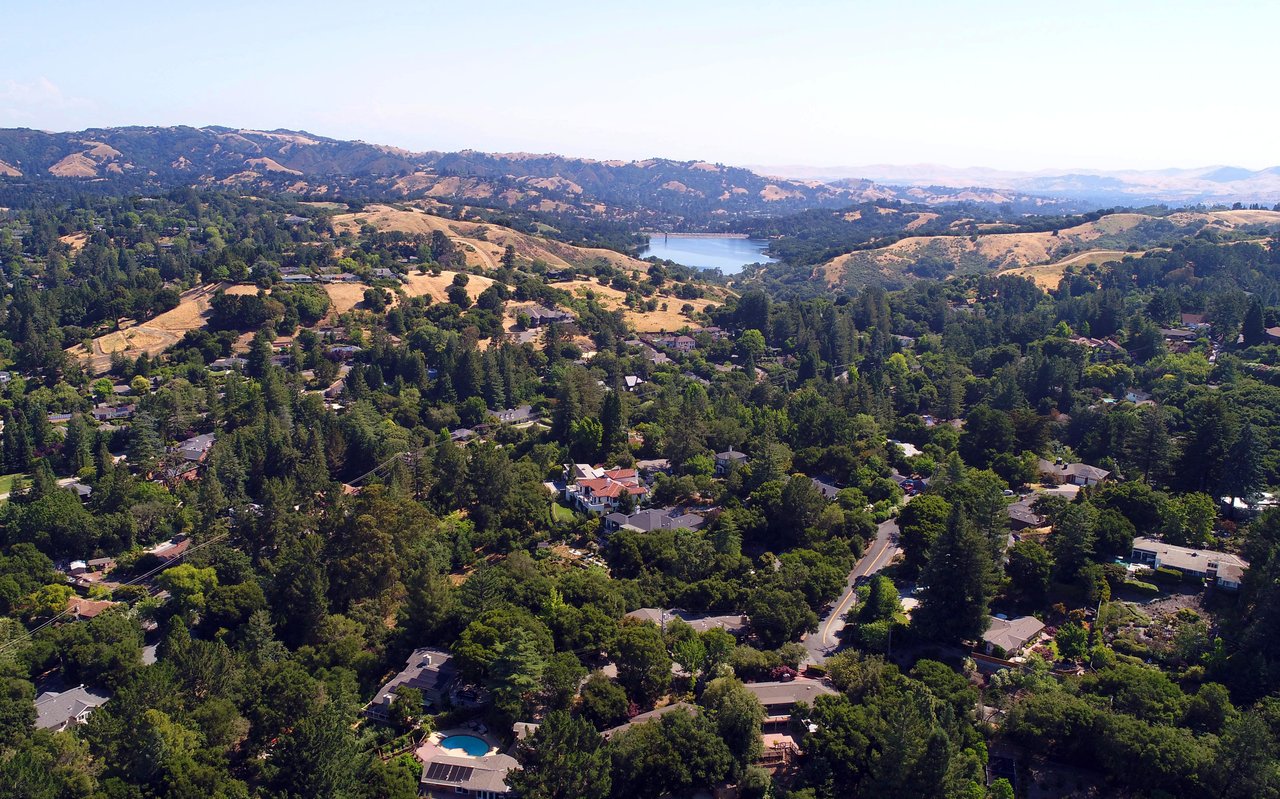
Orinda has a predominantly residential character, with homes spread throughout rolling and wooded terrain.
Rather than one uniform suburban landscape, you'll find neighborhoods and properties that can feel quite different depending on their location.
Some homes are closer to downtown, BART, schools, and major roads. Others offer greater separation, hillside settings, mature landscaping, or more privacy.
This variety means that buyers moving to Orinda should consider not only which house they prefer, but how its particular location fits their everyday routine.
What Are Homes in Orinda Like?
One of the first things relocating buyers may notice is the diversity of Orinda's housing stock.
Buyers can encounter:
- Mid-century residences
- Traditional single-family homes
- Extensively remodeled properties
- Custom homes
- Hillside residences
- Luxury properties
- Homes on wooded or private lots
Many Orinda homes are established rather than newly constructed, so two similarly sized properties can differ significantly in architecture, condition, renovations, land, and layout.
Buyers interested in a deeper look at local property characteristics can explore our Orinda Real Estate Guide.
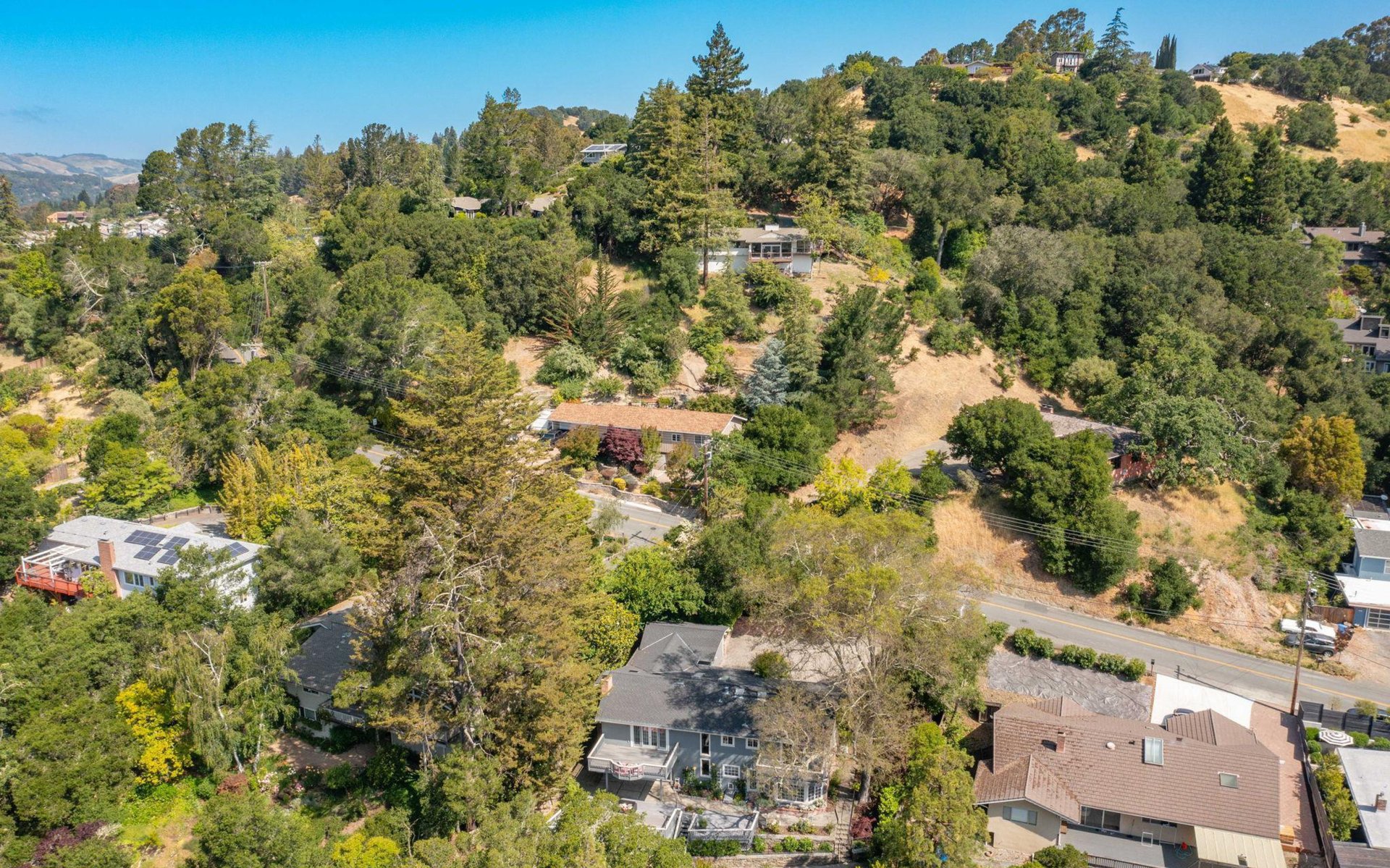
Understanding Orinda's Hillside Setting
The hills are part of what makes Orinda visually distinctive, but they're also an important consideration when buying a home.
A property's total lot size doesn't necessarily indicate how much of that land is usable.
When comparing homes, buyers may want to consider:
- Slope and topography
- Usable outdoor space
- Drainage
- Retaining structures
- Driveway and property access
- Landscaping and vegetation
- Privacy
- Sun exposure
- Views
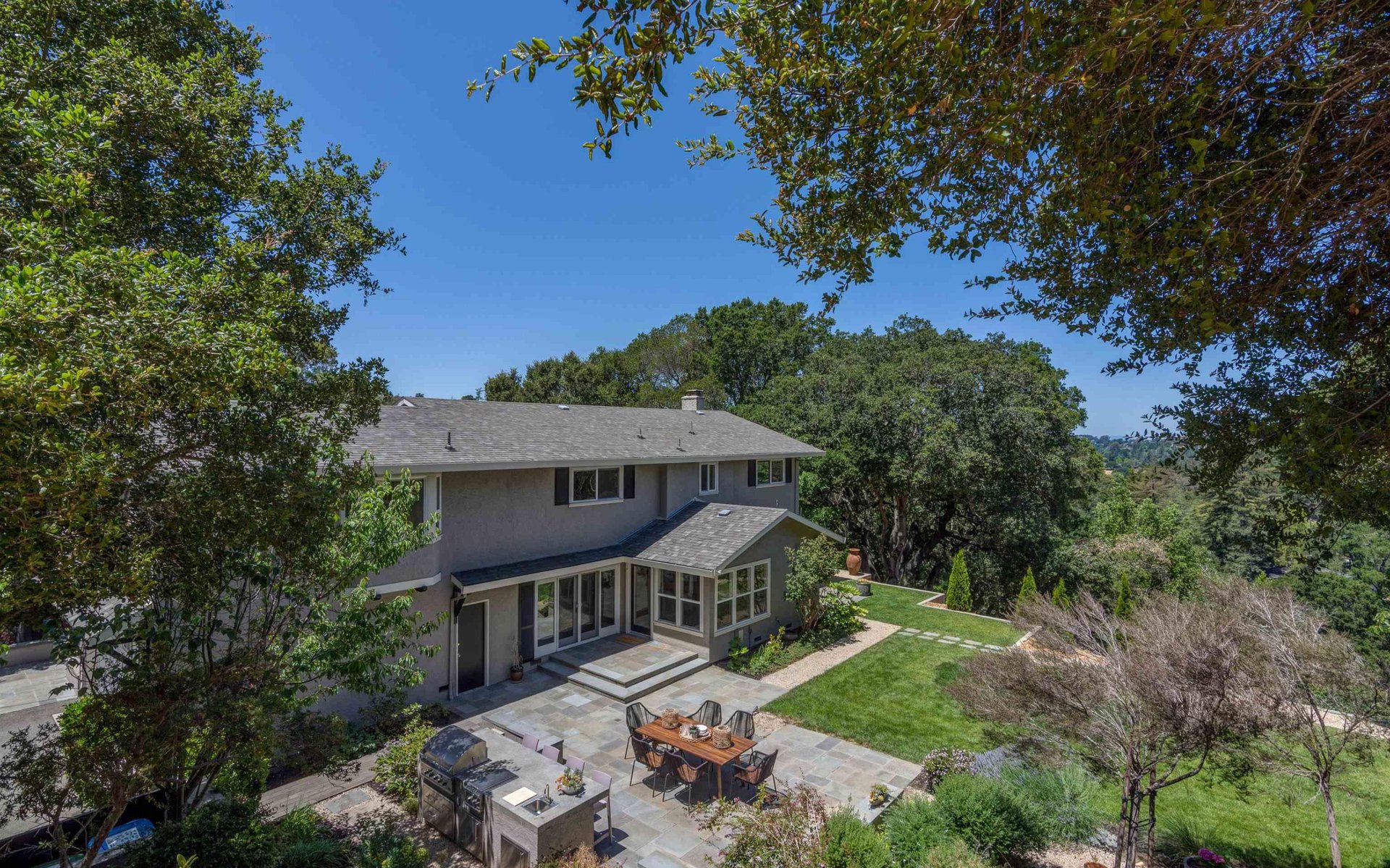
- Outdoor entertaining potential
One buyer may prefer a hillside property surrounded by trees, while another may prioritize a more level yard.
Understanding your priorities before beginning the search can make comparing Orinda properties much easier.
Schools and Moving to Orinda
Families moving to Orinda may want to research school assignments early in their home search.
The Orinda Union School District currently includes four elementary schools — Del Rey, Glorietta, Sleepy Hollow, and Wagner Ranch — along with Orinda Intermediate School. (Orinda Union School District)
Elementary school assignment is based on a home's street address. However, the district notes that students may occasionally be redirected to another elementary site to maintain class-size limits. (Orinda Union School District)
Because assignments and enrollment policies can change, buyers should verify information for a specific property directly with the school district rather than relying solely on real estate listings or third-party websites.
Orinda Union School District School Finder
Getting Around From Orinda
For buyers relocating from elsewhere in the Bay Area, transportation is often an important consideration.
Highway 24 provides Orinda's primary roadway connection toward Oakland and Berkeley to the west and Lafayette and Walnut Creek to the east.
Orinda also has its own BART station at 11 Camino Pablo. The station offers parking, bicycle facilities, and connections with County Connection transit. (Bay Area Rapid Transit)
Orinda BART Station Information
Actual commute times can vary considerably depending on destination, time of day, traffic, and transit schedules, so prospective residents should test their anticipated commute rather than relying on a single estimated travel time.
Everyday Life in Orinda
Moving to a community isn't just about the house or commute.
Prospective residents should also consider how they want to spend their time outside the home. Orinda's setting provides access to outdoor recreation while neighboring Lafayette, Walnut Creek, Berkeley, and Oakland expand the range of nearby shopping, dining, entertainment, and services.
Before buying, it can be helpful to spend time in Orinda at different points during the week.
Visit the areas you're considering, explore local roads, test your commute, and experience the community beyond an open house.
That can provide a much clearer picture of whether a particular part of Orinda works for your lifestyle.
Insurance and Property Maintenance
Insurance is another practical consideration buyers shouldn't leave until the end of their home search.
Orinda's wooded and hillside environment makes wildfire preparedness particularly relevant. The City maintains wildfire preparedness and home-hardening resources for residents, and insurance availability and costs can vary by individual property.
Buyers should investigate insurance options early and consider the home's vegetation, access, construction, landscaping, and other property-specific characteristics.
Established homes may also have different maintenance needs depending on their age and improvements, making inspections and careful review of renovation history especially important.
What Should You Look for When Choosing an Orinda Home?
A successful home search in Orinda often comes down to identifying which tradeoffs matter most to you.
Consider questions such as:
How important is proximity to BART or Highway 24?
Would you prefer privacy or easier access to downtown?
Do you want a level yard or are you comfortable with a hillside property?
Would you prefer a renovated home or a property you can update over time?
How much ongoing landscaping and property maintenance are you comfortable managing?
Are specific school attendance areas important to your search?
Answering these questions early can help narrow the search considerably.
Buying Before You Move to Orinda
Relocating buyers may have additional challenges, particularly when searching from outside the immediate area.
Online listings can tell you about square footage, bedrooms, and finishes, but they may not fully communicate a property's slope, road access, surrounding vegetation, privacy, neighborhood setting, or relationship to nearby homes.
Whenever possible, evaluate both the property and its surroundings.
For buyers comparing Orinda with other East Bay communities, our local guides to Lafayette, Alamo, Danville, and San Ramon can also provide useful context.
Moving to Orinda FAQ
Is Orinda convenient for commuting?
Orinda has direct access to Highway 24 and its own BART station. The suitability of a commute depends on destination, schedule, traffic, and where within Orinda the home is located. (Bay Area Rapid Transit)
What types of homes can buyers find in Orinda?
Buyers can find established single-family homes, mid-century properties, remodeled residences, custom homes, hillside properties, and luxury homes.
Does Orinda have its own schools?
Orinda Union School District currently operates four elementary schools and one intermediate school. Buyers should verify the assigned school for a specific address directly with the district. (Orinda Union School District)
What should buyers know about Orinda's hills?
Lot size doesn't necessarily equal usable outdoor space. Buyers should consider slope, drainage, access, landscaping, privacy, sun exposure, and how they plan to use the property.
Should buyers investigate homeowners insurance before purchasing in Orinda?
Yes. Insurance availability and cost can be property-specific, so buyers should investigate coverage early in the purchase process, particularly when considering wooded or hillside properties.
Explore More Orinda & East Bay Real Estate Resources
Continue your research with:
- Orinda Real Estate Guide
- Living in Lafayette, California
- Living in Alamo, California
- Alamo Real Estate Guide
- Living in Danville, California
- Living in San Ramon, California
- Latest East Bay Housing Market Update
Thinking About Moving to Orinda?
Choosing the right Orinda home means finding a property and location that work together for your lifestyle, priorities, and long-term plans.
Connect with REMAX Accord for local guidance as you explore homes in Orinda and communities throughout the East Bay.