Exploring Pleasanton’s Neighborhoods, Housing Options, and Lifestyle to Help You Prepare for Your Move
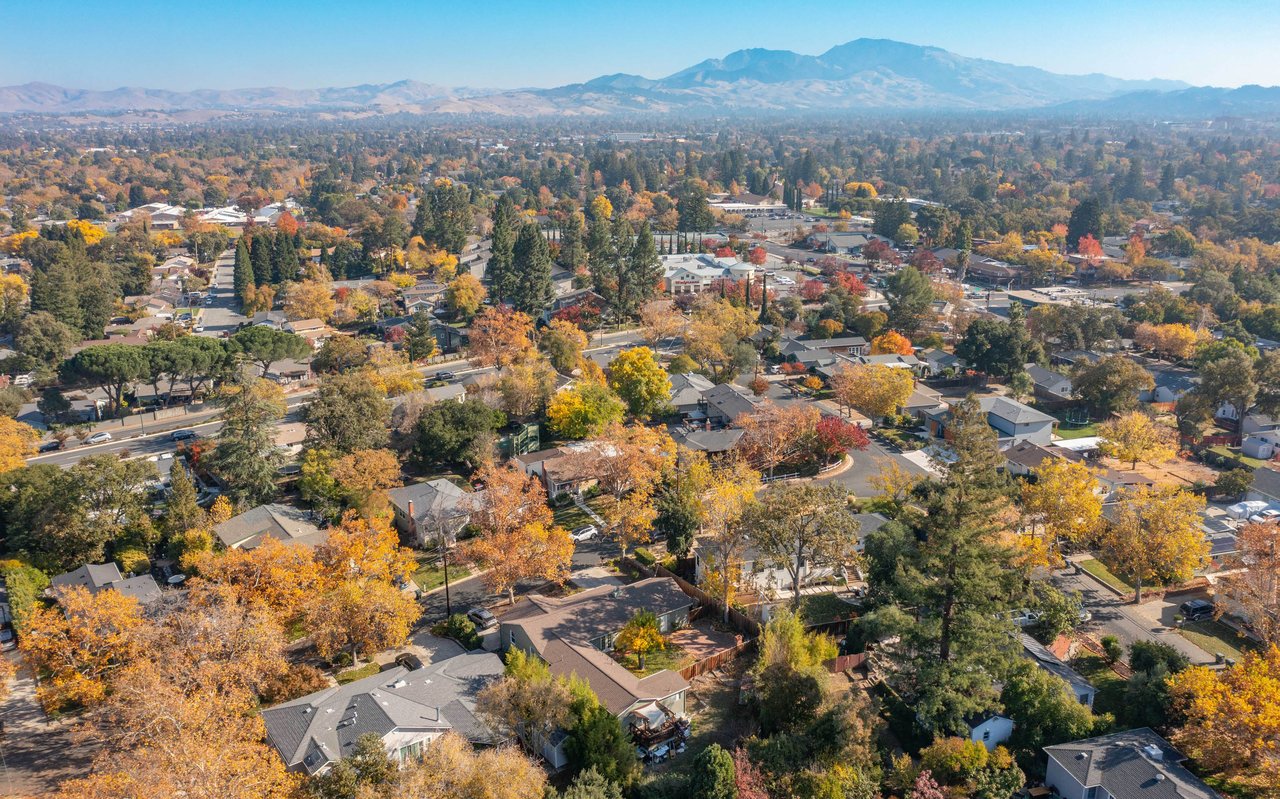
Pleasanton, California, is a well-established Tri-Valley community known for its historic downtown, residential neighborhoods, parks, and convenient access to surrounding East Bay cities. Located in Alameda County, Pleasanton offers a combination of suburban living, community amenities, and regional transportation connections.
For those considering a move to Pleasanton, choosing the right home involves more than finding a property within budget. Understanding the city's neighborhoods, housing options, transportation, schools, and everyday amenities can help you determine whether the community fits your needs.
Whether you're relocating from another Bay Area city or moving to the East Bay for the first time, here's what to know before making Pleasanton your new home.
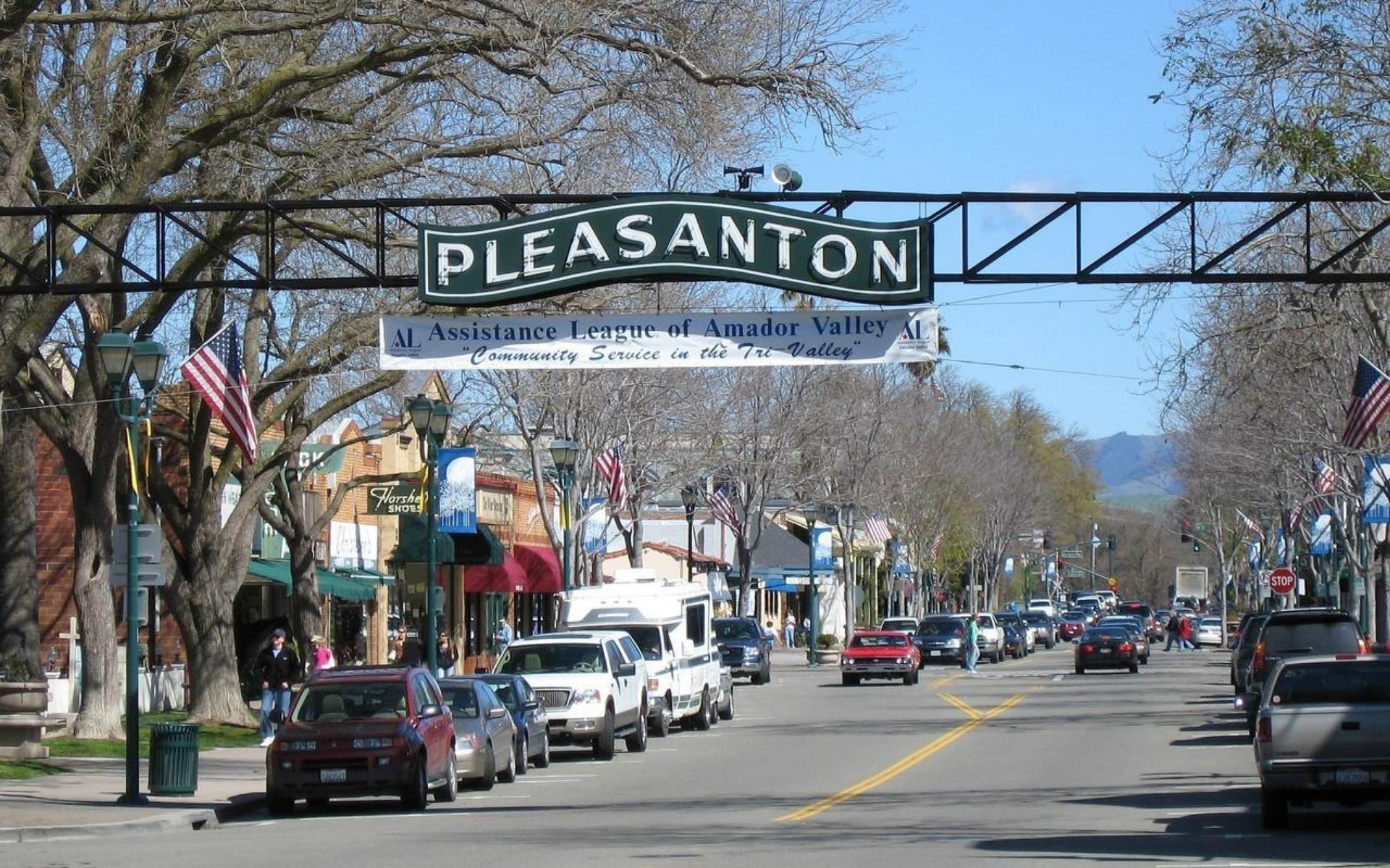
Where Is Pleasanton, California?
Pleasanton is located in the Tri-Valley region of eastern Alameda County, approximately 35 miles east of San Francisco.
The city is situated near Interstate 680 and Interstate 580, providing connections to nearby communities such as Dublin, Livermore, San Ramon, and Danville.
Pleasanton's location makes it a consideration for buyers who want access to employment centers throughout the East Bay while living in a community with established residential neighborhoods and local amenities.
However, commuting times can vary considerably depending on the destination, traffic conditions, and the specific neighborhood.
What Is It Like to Live in Pleasanton?
Pleasanton offers a combination of residential neighborhoods, shopping, restaurants, parks, and community events.
Historic Downtown Pleasanton is one of the city's central gathering places, with local businesses, dining, and seasonal activities along Main Street.
Beyond downtown, residents have access to neighborhood parks, trails, recreation facilities, and shopping destinations throughout the city.
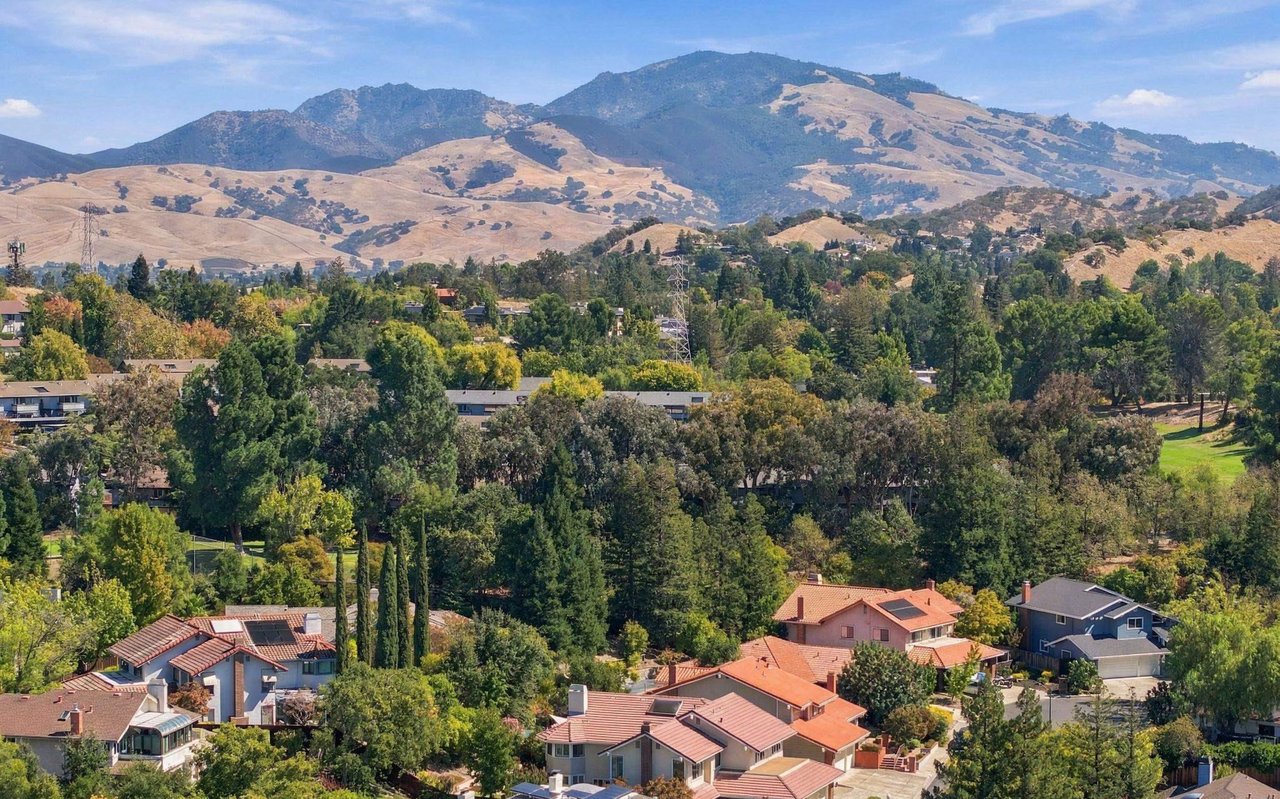
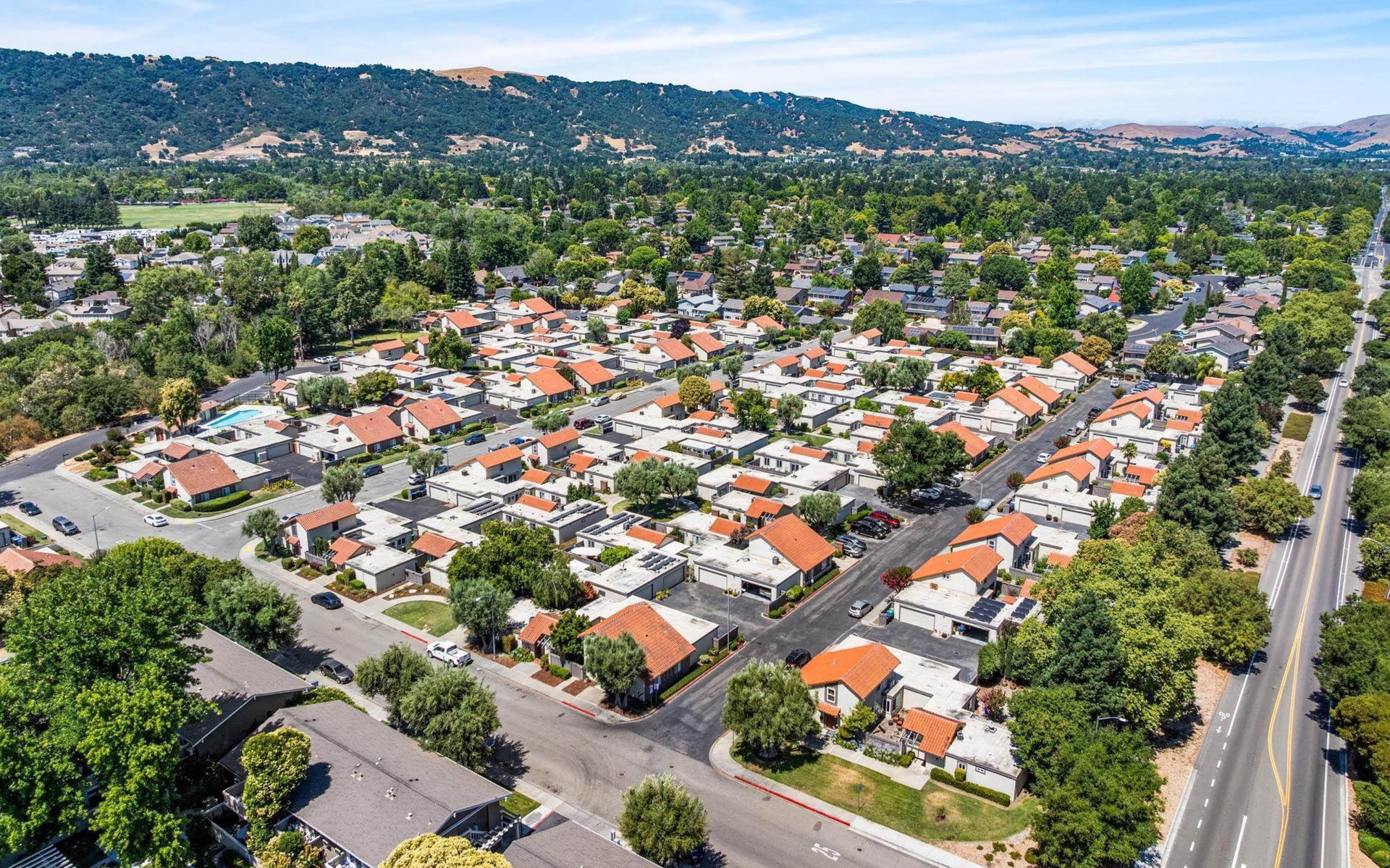
Pleasanton's residential areas vary in character. Some feature older homes with mature landscaping, while others include newer developments, townhomes, condominiums, and larger properties.
For prospective residents, exploring different parts of the city can help clarify which setting best fits their lifestyle.
For a closer look at the community, explore our Living in Pleasanton, California guide, which covers local amenities, housing options, and the area's residential character.
Exploring Pleasanton's Neighborhoods
One of the most important decisions when moving to Pleasanton is choosing where to live.
Different neighborhoods offer different housing styles, lot sizes, amenities, and proximity to schools, shopping, and transportation.
Downtown Pleasanton and Nearby Residential Areas
Downtown Pleasanton is known for its historic character, restaurants, shops, and community activities.
Residential streets surrounding downtown include a mixture of older homes, renovated properties, and different architectural styles.
Buyers interested in this area may appreciate access to local businesses and community destinations.
When comparing properties, consider parking, street activity, lot size, and the condition of older homes.
Pleasanton Valley
Pleasanton Valley is an established residential area with single-family homes and neighborhood streets.
Properties vary in age, floor plan, landscaping, and renovation history.
Buyers considering this area should evaluate the condition of individual homes, proximity to local amenities, and recent comparable sales.
Vintage Hills
Vintage Hills is another established Pleasanton neighborhood with single-family homes and residential streets.
Some properties offer mature landscaping and access to nearby parks and open space.
Buyers should compare home layouts, lot characteristics, and renovation history when evaluating available properties.
Birdland
Birdland is an established Pleasanton neighborhood known for residential streets with bird-themed names.
The area includes single-family homes with varying floor plans, lot sizes, and levels of updating.
For buyers who prefer an established neighborhood setting, Birdland may be worth exploring alongside other central Pleasanton residential areas.
Ruby Hill
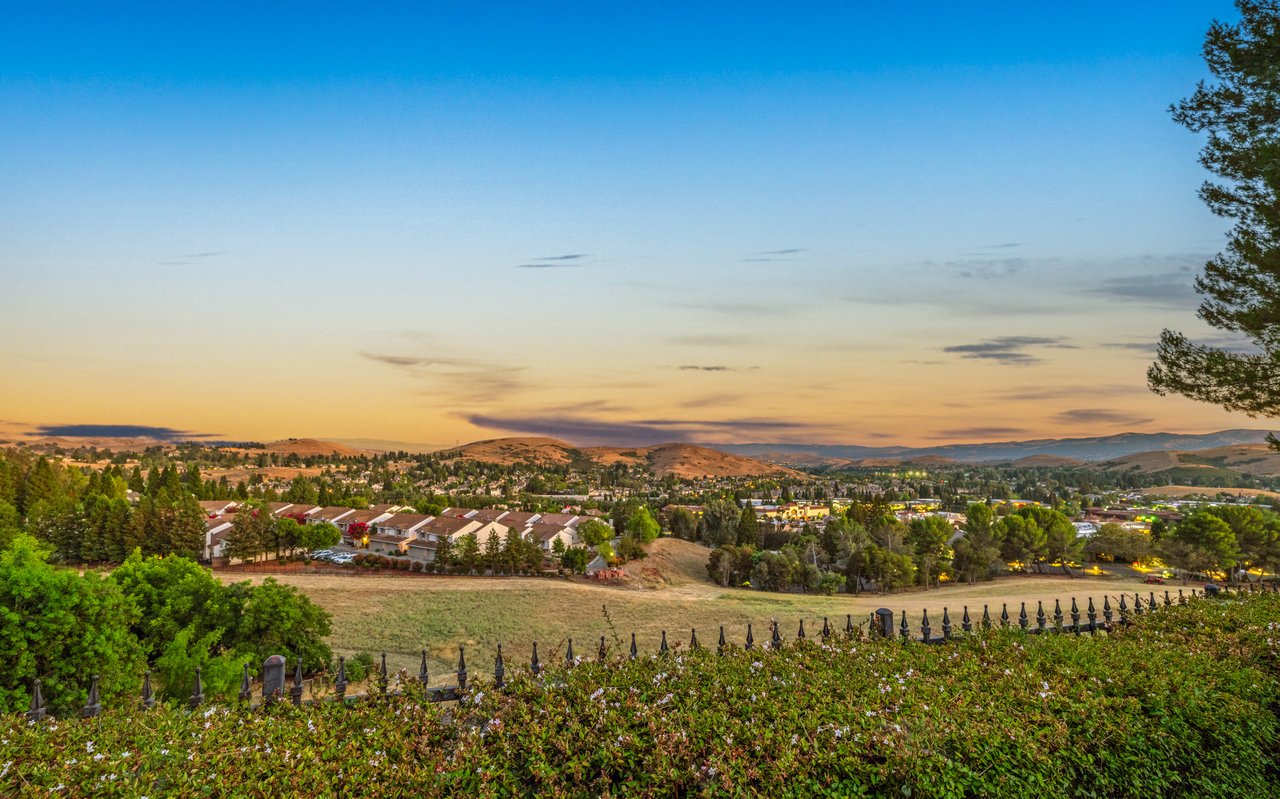
Ruby Hill is a gated residential community located in the southeastern portion of Pleasanton.
The area is known for larger homes, distinctive architecture, and properties that may offer additional privacy or outdoor space.
Buyers considering Ruby Hill should review applicable HOA requirements, property maintenance considerations, and community amenities.
Luxury properties may also require a different approach to evaluating comparable sales and market value.
Other Pleasanton Residential Areas
Pleasanton also includes neighborhoods and developments such as Stoneridge, Val Vista, and areas near the city's western and northern boundaries.
Each offers different housing characteristics and access to surrounding amenities.
Rather than focusing exclusively on a neighborhood name, buyers should compare individual properties, street locations, and the features that matter most to them.
What Types of Homes Are Available in Pleasanton?
Pleasanton's housing market includes several property types.
Established Single-Family Homes
Many Pleasanton neighborhoods include homes built decades ago, with different architectural styles, lot sizes, and floor plans.
Some properties have been extensively remodeled, while others retain original features.
Buyers should review renovation history, property disclosures, and available inspection information when comparing older homes.
Newer Homes and Planned Communities
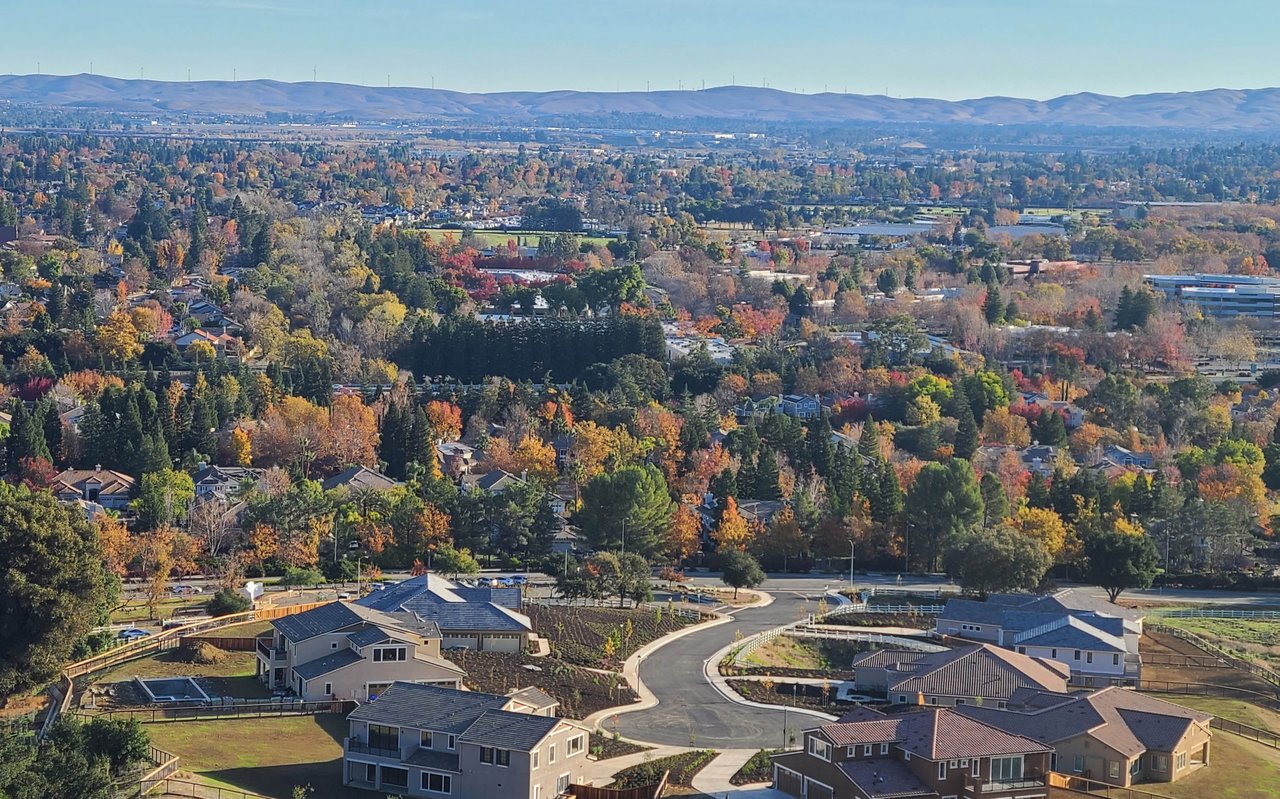
Pleasanton also offers homes in more recently developed neighborhoods and planned residential communities.
Depending on the development, properties may include modern floor plans, shared amenities, or HOA requirements.
Buyers should evaluate community rules, fees, and ongoing maintenance responsibilities when applicable.
Condominiums and Townhomes
Condominiums and townhomes provide alternatives to detached single-family properties.
These homes may appeal to buyers looking for different price points, floor plans, or maintenance arrangements.
However, HOA fees, insurance coverage, reserve funding, and potential assessments should be carefully reviewed before purchasing.
Luxury and Custom Homes
Pleasanton includes larger residences and custom properties, particularly in certain hillside and gated communities.
Buyers considering luxury homes should evaluate lot characteristics, landscaping, property systems, maintenance costs, and comparable sales within the appropriate market segment.
Understanding Pleasanton Home Prices and Ownership Costs
Housing costs are an important consideration when relocating to Pleasanton.
Home prices can vary based on neighborhood, property type, size, condition, lot characteristics, and current market conditions.
A downtown condominium and a large custom home in Ruby Hill represent very different segments of the local market.
Buyers should review recent comparable sales rather than relying on a single citywide median price.
It's also important to consider the total cost of ownership, including:
- Mortgage payments and financing costs
- Property taxes and applicable assessments
- Homeowners insurance
- HOA dues, when applicable
- Utilities and routine maintenance
- Future repairs or improvements
For buyers relocating from outside California, understanding property tax assessments, insurance considerations, and closing costs can be especially helpful when establishing a realistic budget.
Schools and Education in Pleasanton
Pleasanton is served primarily by the Pleasanton Unified School District, which operates elementary, middle, and high schools within the community.
School assignments depend on a property's location and applicable attendance boundaries.
Buyers who consider school access an important part of their home search should verify current assignments directly with the district before purchasing.
Pleasanton is also within reach of higher education opportunities throughout the Tri-Valley and greater Bay Area.
Commuting and Transportation From Pleasanton
Transportation is often a major factor for people relocating to Pleasanton.
Interstate 680 provides connections north toward San Ramon, Danville, and Walnut Creek, while Interstate 580 connects the Tri-Valley with Livermore, Dublin, and other regional destinations.
Pleasanton is also served by the Dublin/Pleasanton and West Dublin/Pleasanton BART stations, providing access to the regional rail network.
The Altamont Corridor Express (ACE) commuter rail service also serves Pleasanton, offering an additional transportation option along its regional route.
However, transportation convenience depends on the location of your home, work schedule, and destination.
Before choosing a neighborhood, consider testing your anticipated commute during the times you would normally travel.
Parks, Trails, and Outdoor Recreation
Pleasanton offers access to parks, trails, sports facilities, and open spaces throughout the community.
The city's park system includes neighborhood parks, recreational facilities, and connections to regional outdoor destinations.
Pleasanton Ridge Regional Park is a popular nearby destination for hiking and enjoying views of the Tri-Valley landscape.
Shadow Cliffs Regional Recreation Area offers additional outdoor recreation opportunities, including trails and water-oriented activities, subject to current park conditions and restrictions.
For buyers who enjoy outdoor activities, proximity to parks and trails may influence their neighborhood preferences.

Shopping, Dining, and Everyday Amenities
Pleasanton offers several shopping and dining destinations.
Historic Downtown Pleasanton features restaurants, local shops, and community events.
Stoneridge Shopping Center provides additional retail options, while neighborhood shopping centers throughout the city offer groceries, services, and everyday conveniences.
Residents also have access to healthcare providers and medical facilities within Pleasanton and surrounding Tri-Valley communities.
When comparing neighborhoods, consider how close prospective homes are to the destinations you expect to visit regularly.
What Should You Know Before Buying a Home in Pleasanton?
Before purchasing a property, buyers should take time to understand both the home and the surrounding neighborhood.
Important considerations include:
- Recent comparable sales and current inventory
- Property condition and renovation history
- Available inspection reports and disclosures
- HOA requirements and fees, when applicable
- Property taxes and ongoing maintenance expenses
- Transportation and commuting needs
- School attendance boundaries, when relevant
- Neighborhood amenities and accessibility
Buyers relocating from another area may benefit from spending time in different Pleasanton neighborhoods before deciding where to focus their search.
Visiting at different times of day can also provide a better understanding of traffic, street activity, and neighborhood surroundings.
How Does Pleasanton Compare With Nearby East Bay Communities?
Pleasanton is one of several Tri-Valley communities buyers may consider.
Nearby Livermore offers its own historic downtown, residential neighborhoods, and wine-country setting.
Dublin includes established neighborhoods and newer residential developments, along with access to Interstate 580 and BART.
San Ramon, located north of Pleasanton, offers a combination of established neighborhoods, planned communities, and employment and retail destinations.
Danville provides another residential setting along the Interstate 680 corridor, with its own downtown, neighborhoods, and surrounding open space.
Comparing these communities can help buyers better understand their housing options, transportation needs, and lifestyle priorities.
Buyers considering other Tri-Valley locations can explore Living in Livermore, California for insight into its neighborhoods and lifestyle.
For additional comparisons along the Interstate 680 corridor, read Living in San Ramon, California and Living in Danville, California.
Our Danville vs. San Ramon comparison also highlights differences between two nearby communities.
Frequently Asked Questions About Moving to Pleasanton
Is Pleasanton a good place to live?
Pleasanton offers established residential neighborhoods, shopping, parks, schools, and regional transportation connections. Whether it is the right fit depends on your budget, housing preferences, commute, and lifestyle priorities.
What neighborhoods should I consider in Pleasanton?
Buyers may explore Downtown Pleasanton, Pleasanton Valley, Vintage Hills, Birdland, Ruby Hill, and other residential areas. Each offers different property types, neighborhood settings, and amenities.
Is Pleasanton expensive to live in?
Housing is a significant expense in Pleasanton, particularly for detached single-family homes. Buyers should compare current property prices and calculate total ownership costs rather than relying only on the asking price.
Does Pleasanton have BART access?
Yes. The Dublin/Pleasanton and West Dublin/Pleasanton BART stations serve the area. Travel convenience depends on the property's location and the destination.
What is the commute like from Pleasanton?
Pleasanton has access to Interstate 680, Interstate 580, BART, and ACE commuter rail. Actual travel times vary based on traffic, schedules, and destination.
Are there condos and townhomes in Pleasanton?
Yes. Pleasanton offers condominiums and townhomes in addition to detached single-family properties. Buyers should review HOA fees, governing documents, and long-term ownership costs.
What should I do before relocating to Pleasanton?
Research neighborhoods, establish a realistic housing budget, evaluate commuting needs, verify relevant school boundaries, and compare current homes for sale. Working with a local real estate professional can help you understand neighborhood-level market conditions.
Explore More Pleasanton and East Bay Real Estate Resources
Choosing where to live involves understanding both the community and the housing market. From established neighborhoods to newer developments, each Tri-Valley location offers different property types, amenities, and transportation options.
For additional perspective on regional home prices, inventory, and buyer activity, review our latest East Bay Housing Market Update.
Planning a Move to Pleasanton?
Whether you're relocating from another part of the Bay Area or moving to the Tri-Valley for the first time, finding the right home starts with understanding your options.
Contact REMAX Accord to connect with a local real estate professional who can help you explore Pleasanton neighborhoods, compare properties, and navigate the homebuying process.